
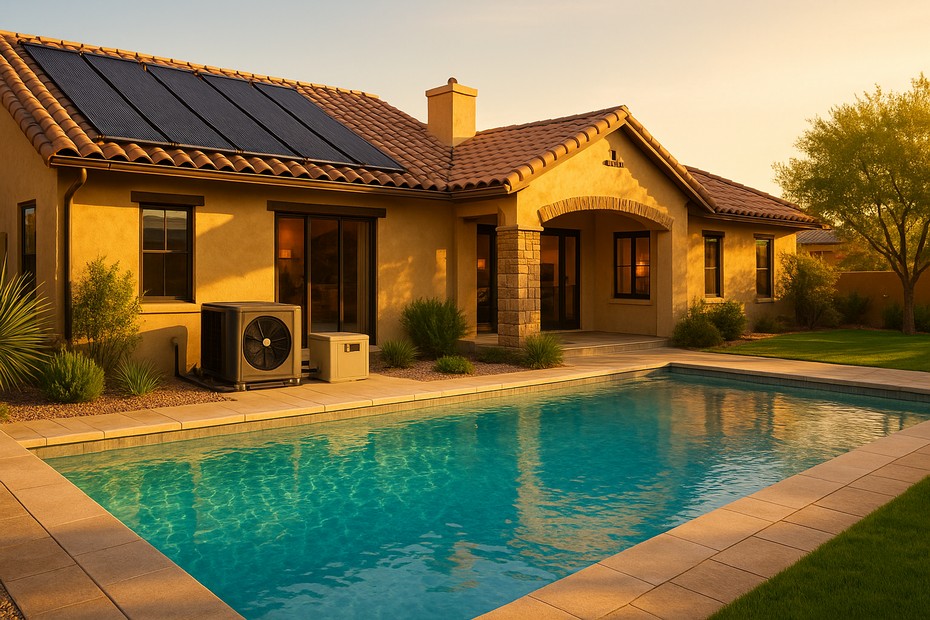
Heating a swimming pool in Texas can be a year‑round endeavor. You enjoy long, hot summers and mild shoulder seasons, but sudden cold fronts and stormy weather are always around the corner. Solar pool heating makes sense in this sunny state because it uses free sunlight to warm your pool water. When you pair it with smart controls and a well‑designed system, you can extend your swim season and cut energy costs. This guide breaks down how solar pool heaters work, why they’re especially suited to Texas, how to size and install a system, and how to optimize performance. Throughout, you’ll find simple explanations, real‑world examples, and a dose of humor – think of it as chatting with a handy friend who also happens to be a pool heating expert.
Why Solar Pool Heating Fits the Texas Climate
If you live in Texas, you’ve probably heard people say, “It’s like summer most of the year.” There’s a lot of truth to that. Texas is one of the sunniest states in the country, logging about 2,850 hours of sunshine each year. In Central Texas and the Dallas–Fort Worth (DFW) area, there are around 230 sunny days on average. Long hot spells are the norm; Dallas–Fort Worth and Austin average around 20–30 days above 100 °F annually. Those scorching days quickly warm your pool water, but once the sun dips or a cold front blows in, water temperatures can plummet. Solar pool heating systems help maintain comfortable water temperatures without paying skyrocketing energy bills.
Texas Pool Season and Weather Extremes
Many Texas pool owners swim from early spring through late fall. The warm season runs roughly from April through October, giving you up to seven months of pool time. But spring and autumn evenings can be chilly; solar heating makes those dips more pleasant. Hot summer sun also takes a toll on chlorine levels because UV radiation burns off chlorine. Solar heaters help maintain temperature without relying on gas burners that further evaporate chemicals. When winter cold snaps or thunderstorms hit, you can shut off the solar system and rely on a gas heater or cover your pool.
Abundant Sunshine Means Free Energy
Solar pool heaters work best when there’s plenty of sunlight. Texas’s high sun angles during late spring and summer provide optimal conditions. On the summer solstice, the sun climbs almost directly overhead. That high angle means panels capture more sunlight throughout the day. The state invested $16.6 billion in solar infrastructure and ranks first in solar power generation, proving that harnessing the sun is more than a fad – it’s a mainstream energy solution. Pool owners can piggyback on this trend by installing rooftop collectors.
How Solar Pool Heaters Work
At its heart, a solar pool heating system circulates pool water through a series of collectors (often rooftop panels). The pump pushes cold pool water through these panels, where it absorbs heat, and then returns the warmed water to the pool. The panels use both direct and diffuse solar radiation, so even on partly cloudy days, they still gather some heat. The system usually includes a temperature controller, a check valve or diverter valve, and sometimes an automated flow sensor. Here’s what each component does:
- Solar collectors: Usually made of UV‑stabilized polypropylene or rubber, these panels have channels through which water flows. They absorb sunlight, warming the water as it passes through.
- Filter and pump: Your existing pool pump normally circulates water through the system. Some setups require a slightly larger pump or a separate booster pump to overcome additional resistance.
- Controller: A sensor monitors pool and collector temperatures. When the collector is warmer than the pool, the controller opens the valve, sending water through the panels. If the pool is already warmer or sunlight is insufficient, it bypasses the collectors.
- Valves: A manual or automatic valve directs water through the panels when heating is needed. A check valve prevents backflow.
Once installed, the system operates automatically. You only turn it on or off at the beginning and end of your swim season, or if a cold front demands fast heating from an auxiliary gas or electric heater.
Typical Temperature Gains
Solar pool heaters can raise pool temperatures by several degrees on a sunny day. In practice, many systems raise water temperature by 2–4 °F on each pass through the collectors and 5–15 °F after several days of sun (citation from earlier energy.gov page). Texas’s long sunlight hours amplify these gains. With a proper cover to reduce nighttime heat loss, you might maintain water temperatures around 80–85 °F even in spring or fall.
System Longevity and Maintenance
Solar pool heaters have lifespans of 15–20 years, far longer than gas heaters or heat pumps. Maintenance is simple: keep the panels clear of debris and ensure there’s no shading or clogged plumbing. That’s a relief compared to gas heaters, which involve combustion components and regular servicing. In Texas’s windy climate, check mounting hardware after severe storms and clear debris after hail events.
Evaluating Your Site’s Solar Potential
Before you invest in solar heating, evaluate your pool area’s solar potential. According to Sunrise Solar, solar pool heaters can still work with diffuse radiation, meaning your site doesn’t need full sun all day. The main factors to consider include:
- Sun exposure: Are there trees, chimneys, or tall houses shading your roof? In Central Texas, aim for at least 4–6 hours of sun on the collectors.
- Roof orientation: South‑facing roofs capture the most sun. East‑ and west‑facing roofs can work but may need more collector area.
- Pitch and angle: For fixed panels, match your roof pitch to your latitude (around 30–31° in Central Texas). Adjustable racks can optimize the tilt.
- Accessibility: Panels should be easy to access for cleaning and maintenance.
Sunrise Solar notes that a site with unshaded, south‑facing areas is likely a strong candidate. The company offers site evaluations where experts measure sun exposure, examine roof structure, and calculate sizing. If shading is an issue, ground‑mounted collectors are another option.
Sizing a Solar Pool Heating System
Sizing is critical. If the system is too small, you’ll be disappointed; too large, and you’ll overspend. The standard guideline is that the surface area of your solar collector should be equal to 50–100 percent of your pool’s surface area. This range is called the offset. A 50 % offset means your panels’ total area equals half your pool’s surface. For example, a 400‑square‑foot pool with a 50 % offset needs 200 square feet of panels.
Texas Considerations
Texas climate requires some adjustments:
- Higher ratios: Central Texas experiences cloud cover and variable temperatures. Sunrise Solar recommends leaning toward the high end of the range (e.g., 75–100 %) to extend the swim season.
- Pump sizing: Solar collectors add resistance to the circulation system. You might need a larger pump or a secondary pump to maintain proper flow. A correctly sized pump ensures water moves through the panels efficiently without overworking the motor.
- Collector efficiency: Higher‑efficiency collectors heat water faster, which might reduce the total collector area needed. Efficiency ratings help you compare models. More efficient collectors can compensate for occasional cloud cover.
Additional Sizing Factors
- Desired temperature: If you want spa‑like warmth, oversize the system; if you only need a 10 °F boost, a smaller collector area may suffice.
- Swimming season length: For year‑round heating, combine solar with a gas or heat‑pump heater for backup.
- Pool cover usage: A solar blanket traps heat and reduces evaporation by up to 70 %. If you plan to use a cover faithfully, you might downsize the panels slightly.
Installation Considerations
DIY vs. Professional Installation
Many pool owners opt for professional installers because the system requires plumbing, roofing, and electrical skills. However, if you’re handy, you can install kits yourself. Professional installers analyze your roof structure, design the system layout, and ensure local codes and permits are met. They also connect the controller to your existing pool equipment.
Roof Mounting and Structural Considerations
Solar collectors usually mount on the roof to maximize sun exposure. Installers anchor the panels to roof trusses and seal around the penetrations to prevent leaks. Texas hailstorms can damage panels, so choose collectors rated for hail impact. Check that your roof can support the weight of filled collectors and that mounting will not void your roof warranty.
Plumbing and Integration
Plumbing ties the collectors into your existing pump and filter line. A diverter valve sends water through the collectors when heating is needed and bypasses them when not. In most cases, your current pool pump provides sufficient flow; however, as noted, you might need an upgrade.
Controller and Automation
Controllers range from simple manual valves to advanced digital systems that integrate with home automation. High‑end controllers measure collector and pool temperatures, automatically turn valves, and can be accessed via smartphone. If you already have a smart pool ecosystem, choose a solar controller compatible with your automation platform.
Cost and Payback
The cost of a solar pool heating system varies based on pool size, collector type, and installation complexity. National averages put solar pool heater costs between $2,500 and $4,000 with payback periods of 1–7 years (as noted in previous energy.gov citations). Central Texas costs may be slightly higher if you opt for high‑efficiency collectors and larger systems. However, lower operating costs quickly recoup the initial investment. Gas heaters and electric heat pumps incur ongoing energy expenses; solar does not. Many homeowners also benefit from increased property values because buyers appreciate energy‑efficient features.
Incentives and Rebates
Texas does not currently offer state‑wide rebates for solar pool heating. However, some local utilities and cities provide solar water heating incentives. Federal tax credits apply to solar water heating systems used for domestic hot water, not pool heating. Check local programs and talk to your installer about any available incentives.
Benefits of Solar Pool Heating
Low Operating Costs
Once installed, a solar pool heater uses free sunlight. There are minimal operating costs, limited to occasional maintenance. In contrast, gas heaters consume natural gas or propane, and electric heat pumps use electricity. On average, switching to solar can eliminate hundreds of pounds of carbon dioxide emissions each year while slashing energy bills.
Extended Swimming Season
Texas has a long swim season, but even here water can be chilly in spring and fall. Solar heaters can extend your swimming season by several weeks or even months. With properly sized collectors, you can enjoy comfortable swimming from March through November.
Environmental Impact
Solar pool heaters leverage renewable energy. They reduce greenhouse gas emissions by replacing fossil‑fuel‑based heating. They also avoid local air pollution associated with natural gas combustion. Using solar energy aligns with Texas’s push toward cleaner power generation.
Low Maintenance
As mentioned, solar systems have few moving parts. Maintenance involves seasonal checks for debris and leaks. There’s no pilot light to relight or burner to clean. The simple upkeep is a major selling point.
Increased Property Value
Energy‑efficient home features, including solar heating, appeal to buyers. Installing a solar pool heater can enhance property value. Eco‑friendly upgrades often attract more interest and may justify higher sale prices.
Limitations and Considerations
While solar pool heating works well in Texas, it’s not perfect. Consider these factors:
Weather Dependence
Solar heating depends on sunshine. Clouds and rain slow heat gain. In Texas, thunderstorms and cold fronts occur, especially in spring and late fall. You may need a backup gas or electric heater for cloudy days or winter swimming. A hybrid system pairs solar panels with a gas or electric heater; the solar handles most heating, and the backup kicks in as needed.
Upfront Cost
The initial investment is higher than a gas heater. Even though operating costs are low, you must be comfortable with a few thousand dollars upfront. Financing options are available, but interest will add to total cost.
Roof Space and Aesthetics
If your roof has limited unshaded space or architectural features, installation may be challenging. Ground mounts are a solution but require yard space.
Pump Energy Use
Running a solar system lengthens your pump’s operating time, which slightly increases electricity usage. However, variable‑speed pumps can mitigate this by running at lower speeds when directing water through the collectors.
Choosing Collectors: Unglazed vs. Glazed
Solar collectors come in two main types:
Unglazed Collectors
Unglazed collectors are made of UV‑resistant rubber or plastic. They’re less expensive, lightweight, and ideal for warming pools in climates like Texas. These panels operate efficiently when the air temperature is close to the desired pool temperature. Because Texas rarely experiences freezing temperatures outside of winter storms, unglazed collectors are usually sufficient.
Glazed Collectors
Glazed collectors use glass covering and copper pipes to maximize heat capture. They’re more efficient in cold climates or for heating domestic water. In Texas, they might be overkill for pool heating alone. However, if you plan to use the same system for pool and household hot water, glazed panels might make sense.
Integrating Solar with Other Heating Systems
Many Texas pool owners use a hybrid approach, combining solar with gas or electric heating. A gas heater provides rapid heating for quick warm‑ups or unexpected cold snaps, while the solar system maintains water temperature most days. Hybrid systems ensure comfortable swimming regardless of weather. When solar gains are insufficient, the gas heater automatically turns on until the desired temperature is reached.
Using Pool Covers and Blankets
A solar blanket is one of the simplest tools for retaining heat. These covers trap warmth, reduce evaporation, and can decrease energy consumption by up to 70 %. In windy Texas conditions, evaporation is the biggest source of heat loss. By covering the pool when not in use, you protect your investment and keep the water warm longer. There are also liquid solar covers – additives that form a microscopic layer on the water surface – but physical covers are more effective.
Smart Controls and Automation
You don’t have to babysit your solar pool heater. Modern controllers can integrate with smart home systems. They monitor temperature differences and automatically open or close valves. Advanced systems connect to apps or voice assistants, allowing you to check pool temperature, turn on the heater, or schedule heating cycles. By optimizing pump run times and heating schedules around electricity rates and sun availability, you can maximize efficiency.
Safety and Maintenance Tips
- Regular Inspections: Check collectors and connections twice a year for leaks, cracks, or damage. After hailstorms or high winds, inspect the panels for cracks and ensure mounting hardware is intact.
- Clean the Panels: Dust and debris reduce efficiency. Use a soft brush or gentle hose spray to clean the panels (avoid high pressure that could damage them).
- Monitor Water Flow: Ensure that water is flowing through the collectors. Low flow can cause overheating in the panels or ineffective heating.
- Winterization: Although Texas rarely sees prolonged freezing, draining water from the collectors during severe cold spells prevents freeze damage. Many systems have manual or automatic drains. If you plan to swim in winter, keep the system running and consider using antifreeze fluid in an indirect loop.
Quick Answers: Solar Pool Heating in Texas
- Does solar pool heating work on cloudy days? Yes, solar systems collect both direct and diffuse light, though heating is slower during overcast weather.
- How big should my solar system be? The collector area should equal 50–100 % of your pool’s surface; lean toward the higher end for Central Texas.
- Do I need a special pump? You may need a larger pump or a dedicated booster pump to move water through the panels.
- Can I install solar on any roof? Roofs with unshaded, south‑facing areas are ideal, but east or west orientations can work with more panels.
- How long do solar pool heaters last? Panels typically last 15–20 years with minimal maintenance.
In Conclusion
Solar pool heating is a smart investment for Texas homeowners who want to enjoy longer swim seasons, reduce energy costs, and embrace renewable energy. Texas’s abundant sunshine – around 230 sunny days per year and 2,850 hours of sunlight annually – provides an ideal environment for solar collectors. By sizing your system correctly (50–100 % of pool surface area), ensuring proper pump flow, and considering local climate factors, you can achieve consistent, comfortable water temperatures. Solar heaters extend the swimming season while slashing utility bills and carbon emissions. Pair solar heating with a pool cover, a smart controller, or a hybrid backup heater to handle weather variability and you’ll enjoy a warm pool nearly year‑round without stressing about costs. Whether you’re in Austin, Dallas, San Antonio, or anywhere in between, harness the Texas sunshine and transform your pool into an eco‑friendly oasis.

Lee Fondiller is a seasoned operations executive with over 20 years of experience in technology and sustainability. As COO of Solar4Pools, he leads innovation in the renewable energy industry with a focus on solar-powered solutions.